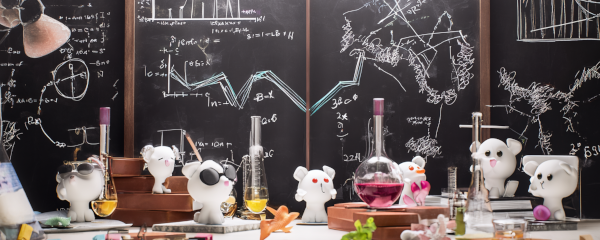
This is the story of Labubu, a brilliantly executed viral product marketing craze that transformed (and I say this with the utmost affection) cheap bag trinkets of questionable beauty into the “IT” thing.
Not a status symbol, but perhaps something even more potent: a symbol of collective curiosity, humor, and obsession.
Because we’re on LinkedIn and my goal is to deliver strategic thought leadership, I set out to deconstruct what makes Labubu such a phenomenal success-so you can borrow these levers and apply them to your own products.
But if I had to pick the one thing that made me giddy, above all else, it’s the memes.
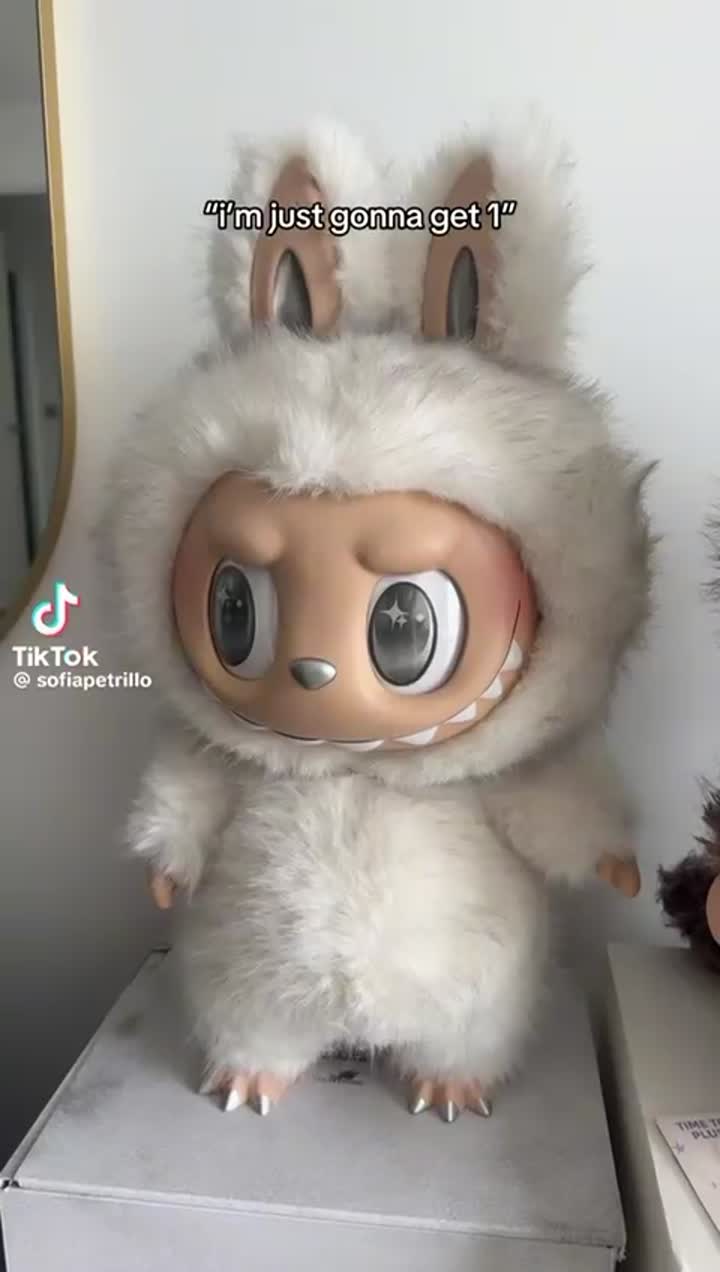
Not just any memes-but those that lovingly roast the craze by spotlighting the rise of the Lafufus (of course there’s a back-alley knock-off!!!). I hope you’ll keep reading. But if not, at least here’s a funny meme to reward your click through!
A Place Where It All Began
Pop Mart, a Beijing-based designer-toy company, had modest success prior to Labubu.
In 2015, Hong Kong artist Kasing Lung first introduced Labubu as part of his Nordic folklore-inspired trilogy “The Monsters.” Initially produced in small runs, the character gained limited traction.
But in 2019, everything changed when Pop Mart signed an exclusive licensing agreement with Lung, and the company’s destiny was forever altered!
According to Pop Mart, the revenue generated from the first Monsters series launch “broke the sales record in the art toy category.” Fast forward - in 2024 alone, The Monsters series featuring Labubu contributed to more than one-fifth of Pop Mart’s total revenue and more than 700% increase on the previous year. That momentum has only accelerated: Pop Mart reported US$1.8 billion in revenue in 2024, with Labubu accounting for a significant portion of this explosive growth.
A Brief Economics Lesson: Scarcity as Strategy
Let’s channel our inner economist - no degree needed.
A normal economics view would have an equilibrium reached where supply = demand, and a price is achieved.
But let’s say you’ve decided to create a product scarcity (artificially low supply), coupled with driving viral demand - driven in part by the need to complete a set of Labubu’s but being unable to select which one you get (more on that in a moment).
What you get is a huge opportunity to see price growth - in effect drive profitability based on the price. Your $10 product can be sold for $20 or more!
And with some smart pricing, and fine grained supply control, you can continually drive a mentality where the perceived value (what someone is willing to pay) outstrips the price (you charge less than the oodles of dollars they’re willing to throw at you), furthering the notion that they are in fact buying a valuable product - despite the inflated price!
So what’s your critical assumption in taking this type of scarcity strategy to market?
That you can ignite sustained demand by hand-crafting user experience around scarcity, visibility, and surprise.
Let me show you how other viral levers build on it below.
Celebrity & Influencer Catalysts
In April 2024, Lisa of Blackpink displayed her Labubu on Instagram.
At this point in history, I’m sure it shocks absolutely no one that a K-pop star (or any celebrity influencer) can catalyze demand.
Weeks later Marc Jacobs donned a Birkin with a (still boxed) Labubu dangling. We’ve since seen wide celebrity adoption from the likes of Rihanna, Kim Kardashian, and even David Beckham, with each post igniting waves of engagement (and no, I’m not about to shower you with Instagram posts of celebrities with their Labubus, fun though that might be!).
Key Takeaway: In the age of the influencer, just one post can lead to network ignition - though not all posts are created equal.
Product Drops & Gamification
I wake up one morning, and give my wife a hug, only to be met with a muffled groan.
“What time did you come to bed last night?” I inquire of the groggy beauty next to me.
“Too late”
“Why?” I ask dumbfoundedly.
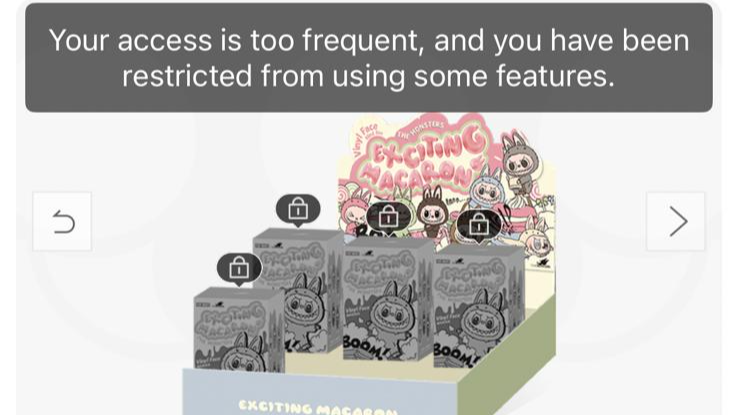
“I jumped on the Labubu drop”
“That’s great! Did you get one?”
“No! I got banned from the drop. I think I was tapping screen too fast”
That
Is
Genius
Every drop - each release moment - forces fandom to stay plugged in, follow channels, engage with influencers. But of course the drop isn’t the end in itself, as it might be with, say a sneaker drop. It’s not enough to watch for the drop and get in. The drop is only the starting line of the competition. The drop has been gamified!
The gamified chase itself becomes a reward, even when you fail to get the product, you got to participate.
Key Takeaway: This is about more than just scarcity marketing and sales promotion. It’s engagement engineering. The sales process itself has been fine tuned to create a meaningful engagement point with the brand.
Gambling: The Mystery Box Effect
Yup, there’s also a legal gambling mechanic. Let’s begin with the construct that enables it - you don’t actually know what Labubu you’re buying. Make a purchase, and only then do you discover what you received.
Can you imagine what it would be like to shop for clothes this way?
- I go to the store to buy a navy polo that I can wear to work.
- Make purchase, open mystery box - discover a pink polo. That clashes, let’s go again!
- Next purchase… pink polo. I really needed navy.
- Next purchase… open mystery box… literal sirens go off. Woo woo woo. Discover “rare” Hawaiian print polo. Should I quit while I’m ahead?
The mystery box method fuels two amazing product mechanics:
- If there’s a “model” you want, you likely have to purchase multiple times in order to actually get it (I mean genius!)
- Unlocks the possibility of “rare” to fuel even more purchase behavior
Key Takeaway: Gambling is addictive (no kidding). Combined with the right “product” design it can be used to drive unnecessary repeat purchase behavior.
The Gray Market Frenzy
Ok, so you’ve managed to complete your Labubu set (say this is a set of 6). But in order to do so, you ended up purchasing 22 Labubus. What exactly do you do?
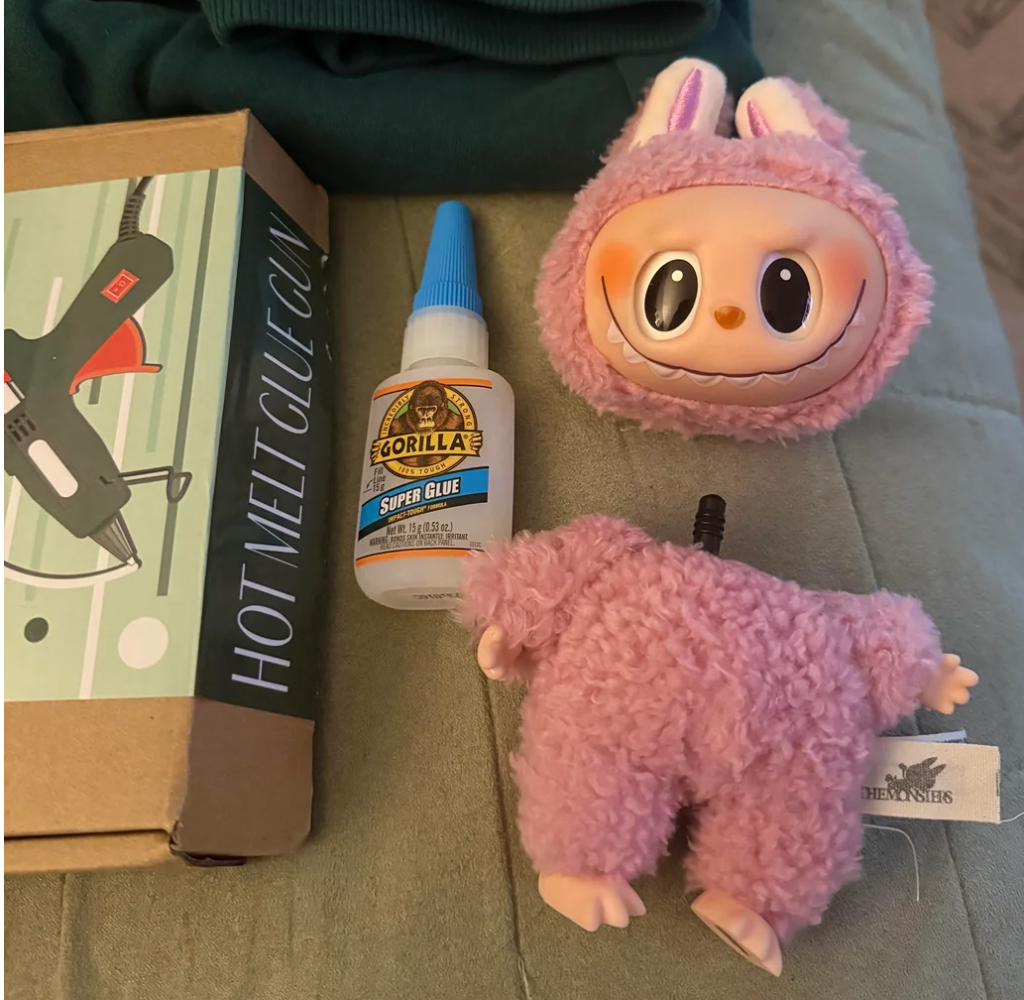
Of course you take to secondary markets. Facebook Marketplace. StockX. EBay. WhatNot.
With the scarcity marketing around drops and gamification, you can definitely get your initial investment back. But if you’re smart…
When collectors ended up with doubles and triples of common Labubus, the gray market sprang to life. Rare variants traded at 10x retail, offering a micro-economy where speculators and die-hard fans both play-and it further fuels hype and visibility.
Key Takeaway: This secondary market doesn’t cannibalize-it reinforces. It creates liquidity for die hard fans, rewarding their perseverance, and nurturing the community to keep the chase alive.
Knock-offs (Lafufus): Ridiculously Beneficial
Poor quality? Missing an eye?
Welcome to the domain of the Lafufu - nature’s answer to scarce supply and inflated pricing.
As the saying goes, good from afar, but far from good!
While knockoff (or generic label) products can drive adverse business impact, taking volume away from the actual product, in this particular case, I have to argue that the Lafufu movement has only served to amplify the virality of the Labubu.
The defect nature of the knockoffs has itself created a whole new stream of virality around quality - the obvious kind of meme hilarity that’s truly social media gold. And considering that so much of the Labubu’s rise to prominence centered around social media sharing, the knockoff memes have provided a second wave for Pop Mart to ride.
Key Takeaway: Even copycat products can drive more virality and volume to your product - especially when well aligned to your channel for driving awareness.
Secondary Content: From Memes to Songs
Virality isn’t just marketing-it’s culture. Memes, songs (yes, even the one that only says “Labubu” repeatedly), reviews, blow-ups on TikTok… all of these are the real fuel behind the craze. Pop Mart didn’t buy all that content-it rode it brilliantly.
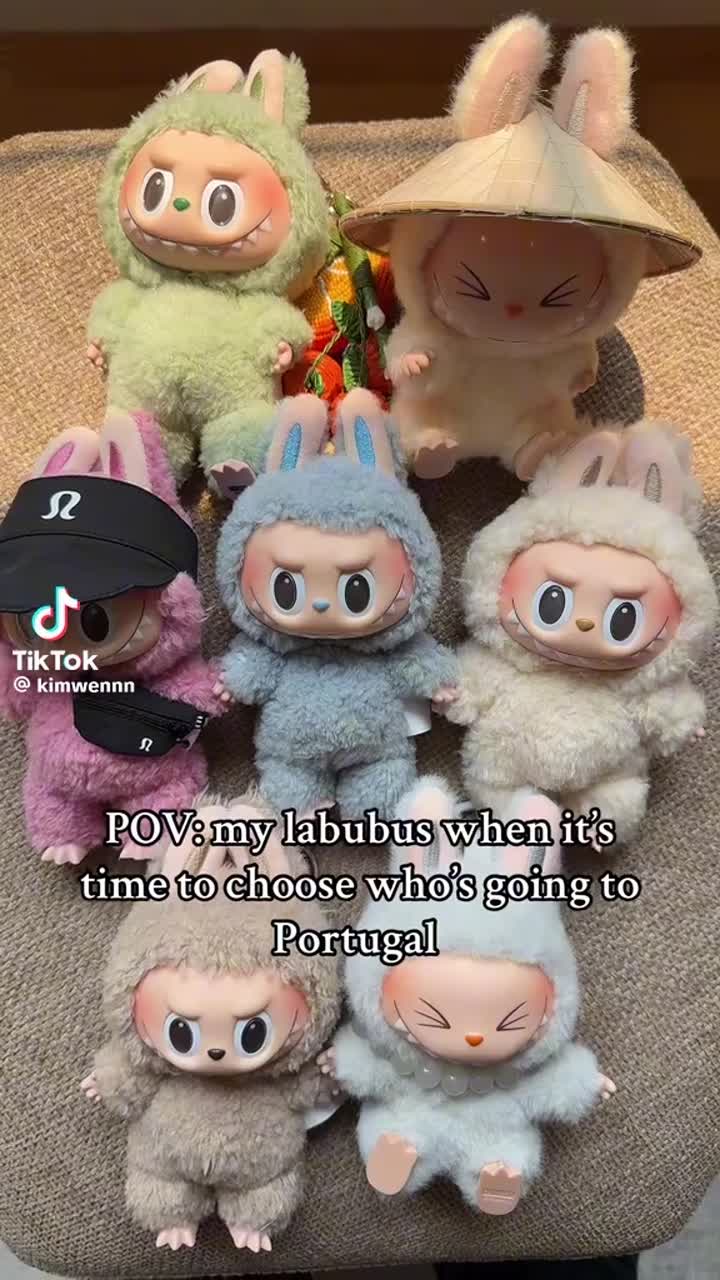
And of course having opened with a TikTok, it’s only fair I should share a Labubu “inspired” ear-worm that my child uses to drive me crazy.
Can Virality Be Engineered?
Pop Mart has done so many things well to engineer and capture virality. So it’s natural to ask yourself, can I engineer this for my product?
Well to help us consider I came up with a simple equation: virality requires product + experience + culture in just the right mix and in the right manner - and still, that tipping point is unpredictable.
A playful framework:
Virality Quotient (V) ≈ Product Appeal (P) × Engagement Mechanisms (E) × Cultural Momentum (C)
Where:
- P: intrinsic allure (design, nostalgia, novelty)
- E: scarcity, drops, mystery, social triggers
- C: memes, influencer posts, secondary markets
When V crosses a threshold, things snowball.
Should you bet your product on going viral? Probably not.
But once it starts trending-you can certainly fan the flames.
Closing Thoughts
Labubu isn’t just a toy-it’s a lesson in engineering attention, desire, and cultural momentum. Pop Mart doesn’t just sell dolls-they sell anticipation, surprise, and belonging.
A strong product, fused with smart scarcity, social leverage, playful dopamine mechanics, and cultural riffing. It’s the blueprint for modern virality.
So what product do you think we can take viral?